No Actor of Color Won a Major Televised Acting Emmy at the 2026 Ceremony
The outcome revived the #EmmysSoWhite debate after Black nominees including Quinta Brunson, Zendaya, Ayo Edebiri, Colman Domingo and Tyler James Williams went home without a televised acting prize.
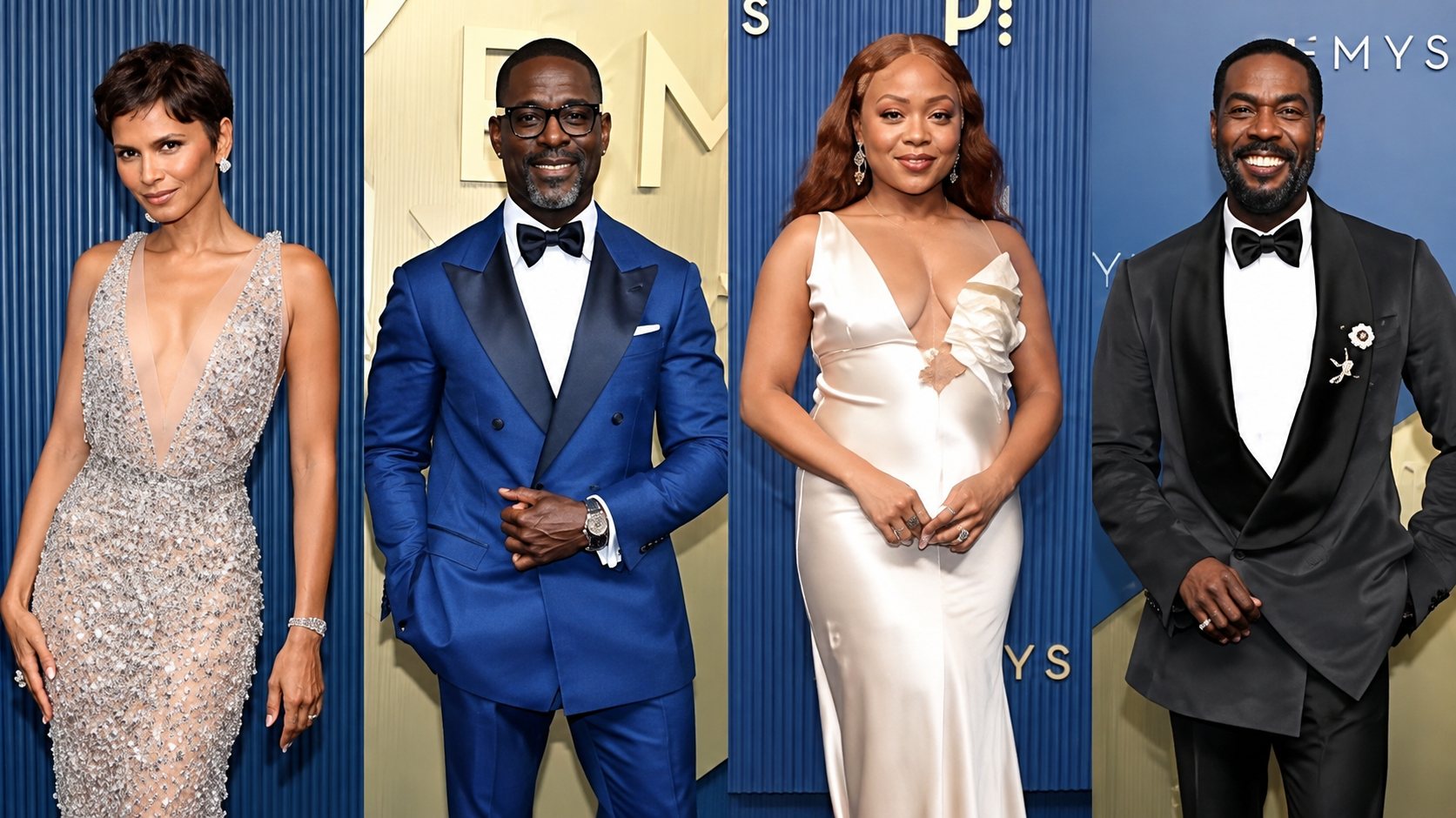
No actor of color won a major televised acting award at the 78th Primetime Emmy Awards on September 14, reviving the #EmmysSoWhite debate after a ceremony dominated by white winners in the lead and supporting acting races. Black nominees including Quinta Brunson, Zendaya, Ayo Edebiri, Colman Domingo and Tyler James Williams were among those shut out on the main broadcast.
The result covered the major televised comedy, drama and limited-series acting categories. The Washington Post compared the outcome with the 2021 ceremony, when all 12 major acting prizes also went to white performers. Variety reported that the 2026 broadcast put 10 actors from outside underrepresented communities onstage for the principal acting races, making the gap visible even in a year when performers of color remained prominent among the nominees.
The Creative Arts Emmys offered a more mixed picture before the main ceremony. Octavia Spencer won for narrating Lost Women of Alaska, while Ernest Harden Jr. won guest actor in a drama for The Pitt. Those awards count as Emmy recognition, but they did not alter the central result of the September 14 telecast: no actor of color took one of the major televised acting prizes.
The shutout was especially notable because several Black nominees had clear historical stakes attached to their nominations. Brunson had a chance to become the first Black woman to win the comedy writing prize twice, while Zendaya was positioned to become the first Black woman to win lead actress in a drama three times. Their losses placed the conversation around representation back on the voting body rather than on the nominees’ visibility or cultural reach.
The ceremony still recognized programs with diverse casts and creators, including Abbott Elementary, Euphoria and The Bear among the shows represented by high-profile Black nominees. That distinction matters: the issue is not the complete absence of Black talent from the Emmy field, but the conversion of nominations into the industry’s most visible acting wins.
For Black television audiences, the immediate story is a measurable awards outcome rather than a vague complaint about inclusion. The Television Academy’s nominations showed that performers of color remained part of the competition; the winners list showed that they did not prevail in the categories most viewers saw. That disconnect is why the 2026 ceremony has reopened a debate the industry had hoped was no longer central.